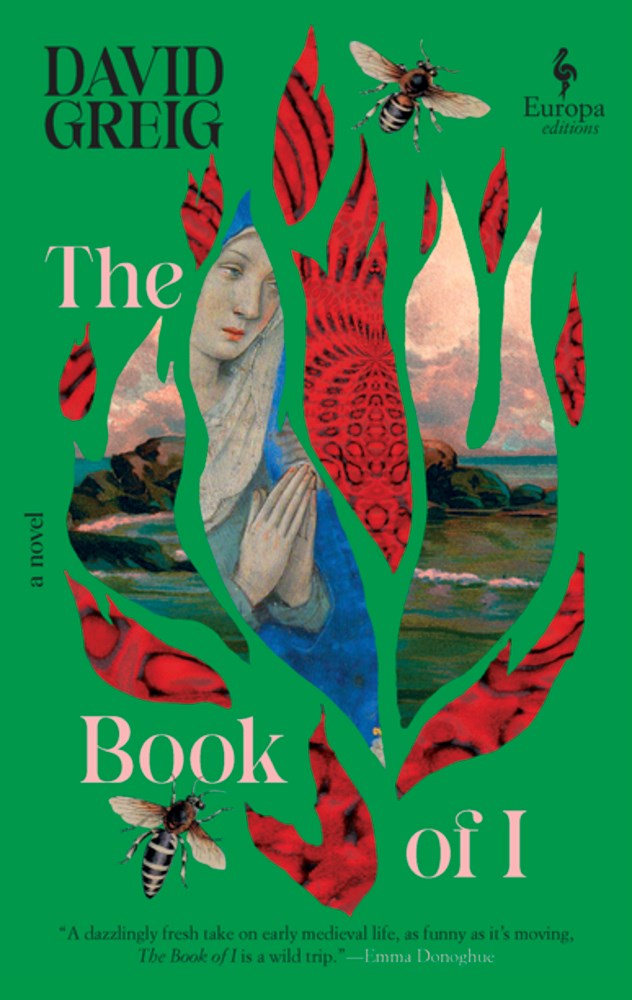
In 825 CE a Viking ship approaches a tiny island off the Scottish coast. Named “I” (modern-day Iona), the island is holy, home to an abbey founded by St. Columba in the sixth century. A few peasants are the only other inhabitants. The Vikings, including one Grimur, proceed to raid the abbey for its relics and treasures, killing everyone they can find in the process.
It’s a grim opening, and one that made me put off reading this story for a while, but I’m glad I took the book up again because what follows the raid is quite remarkable.
Three people survive. Young Brother Martin, to his lasting shame, hides in the latrine while the other monks offer themselves joyously to martyrdom. After killing her abusive husband the blacksmith, Grimur spares Una when she gives him her astonishing mead. In his resulting stupor, Grimur is assumed to be dead by his fellows and is left behind on the island.
With their varying strengths and weaknesses, not to mention their conflicting values and beliefs, they must find a way to live and work together. The pace slows as they move through their days. “Saint Fillan, the monastery cat stretches in the sun. Things happen and then they pass.”
They labor in their various ways: Grimur to learn about agriculture, art, Christianity and family; Una to keep them alive with her bees and mead and gardens; and Martin to restore the abbey and complete the illuminated manuscript—The Book of I—that the monks were working on before the raid.
Copying was not a simple act of reproduction. It was also a type of prayer, the way to a deeper understanding of scripture. Writing out lines was a meditation on meanings and hidden meanings. Illustrations appeared on the page in a dream state of grace.
I’m fascinated by stories of people creating a society from scratch, whether it’s the television series Deadwood or Octavia Butler’s brilliant Parable of the Sower, so I welcomed the languid pace and contemplative moments. Discarding traditional plot structure with its reliance on conflict, Greig presents the story almost as a succession of the monastery cat’s quiet days, brief chapters that beautifully evoke life on the island.
Now it was high summer. Night made hardly a smear on the long blue days. The island had long forgotten the ache of winter’s grip. Bees hovered over the flowers in the garden even into the late evening. Small birds shouted to each other in the oak grove.
The author is better known as a playwright which shows in his confident handling of this unconventional story. He even manages to weave some quiet humor into what one would expect to be a bleak tale. “He was so gentle with the beast. So careful with the udder. How could these be the same hands that had killed the smith? Maybe he just really likes tits?”
Greig’s book—more a novella—is part of a series called The Darkland Tales, retellings of stories from Scotland’s history, myth and legend. His is drawn from the tale of the martyrdom of Saint Blathmac by Viking raiders in 825. If the rest of the series is as good as this story, I’m eager to read them all.
Have you read any of The Darkland Tales?