When I was in Madrid in the 1990s, walking the streets in the evening, I glanced down a short, dead-end alley and was astonished by what I saw. Earlier in the day I’d visited the book stalls lining the Cuesta de Moyano, a small pedestrian street by El Retiro Park, and thought myself in heaven. So many books! So many book lovers!
Now, though, in that dim alley, I saw a young man grasp the bottom of a wooden board hanging on the stone wall and lift it to reveal shelves of books. He propped the board up to be an awning and was ready for business.
Not only was I charmed by this unexpected bookshop and wished I could change places with him—what a life that would be!—but I was also reminded of a story I’d read twenty-some years earlier. In it a man had made a horse-drawn wagon, something like a Romany vardo, with sides that opened to reveal shelves of books. He traveled about the countryside selling books to farmers and townsfolk and “evangelizing” about the delights of reading.
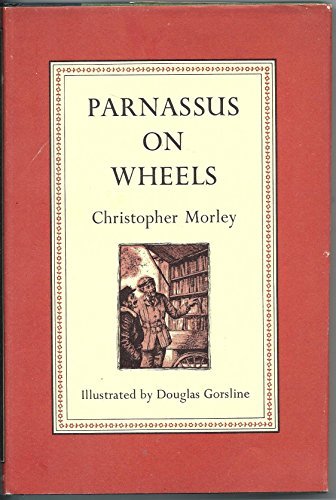
Published in 1917, Morley’s novella is about Helen, a former governess who cooks and keeps house for her bachelor brother Andrew on their farm. Ever since Andrew started writing books and unexpectedly became famous, she’s become disenchanted with her life, left alone on the farm while he travels about giving readings and looking for inspiration.
Then one day Roger Mifflin drives his traveling bookshop into their farmyard. A short, balding man with a red beard, he has a gift for holding forth on the wonders of books and life on the road. However, he’s now decided to retire and sell his creation, and he thinks Andrew is just the person to take his place.
So does Helen. Foreseeing many more months of being left to tend the farm alone, she takes the remarkable step of buying the Traveling Parnassus herself. Though only 39 and a self-described “fat old woman,” she’s inspired to kick over the traces and set out on a bookselling trip herself.
They decide that she’ll drive Roger to the train station which will take a few days, and along the way he’ll tutor her in the business. As she and Roger travel the New England country roads, adventures ensue.
It’s been more than fifty years since I first read this delightful, old-fashioned story. I’d forgotten the details of those adventures, but I’ve never forgotten Roger’s joyous literary orations or the Traveling Parnassus itself. I’ve never forgotten my dream of a life surrounded by books and sharing them with others.
If you’re looking for something that reminds you of the joy that life holds, The Parnassus on Wheels is a great place to start.
Have you reread a book from your youth and found it better than ever? Did it change your life?
